Dura people inhabit the Lamjun District in the Gandakhi Zone of central Nepal. They were originally a group with their own Tibeto-Burman language. Like the better known Gurungs, the Dura have a military history behind them.They migrated to their present location at various stages between the 8th and 12th centuries AD. At the time they had a far larger population than they do today. Over the course of the centuries the Dura area has been inundated with Hindus from the south. Gradually they lost the use of their mother tongue and now the Dura can only speak Nepali.
The Dura people live like most other rural peoples of Nepal. They grow grain as best they can and raise livestock for milk and meat.
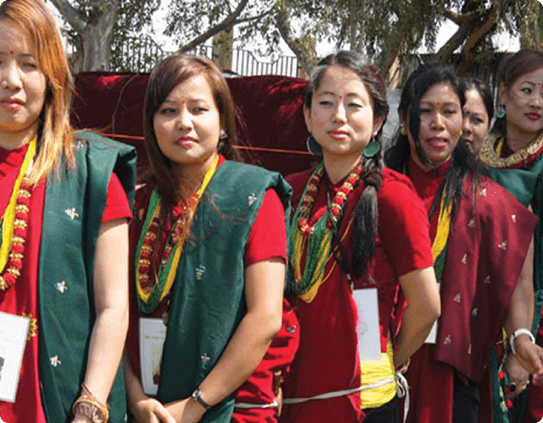
Another part of their identity that is presently undergoing a process of assimilation is their religious belief. For centuries, Buddhism played the dominant role in Dura spiritual life. They lived at the southern end of the Tibetan Buddhist world, but after centuries of pressure from Hindu migrants, many of the Dura's Buddhist practices have now been subsumed into a complicated Hindu- Buddhist mix. The Dura worship many Hindu deities alongside images of Buddha. The Dura still have lamas who serve the community's Buddhist needs, and most of their birth and funeral rituals are Buddhist in nature. When someone dies, a lama is summoned to 'perform the last rites and they do not do anything without their presence or permission '. It is noteworthy that the Dura go back to their Buddhist roots at times of death. On other important occasions, however, Hindu rituals are performed, especially matrimonial rituals that have been adopted from the Nepalis.
For more than a thousand years the Dura have been waiting to hear the gospel. In recent years a very small number have believed in Christ, but most of this fascinating group have yet to hear the good news.
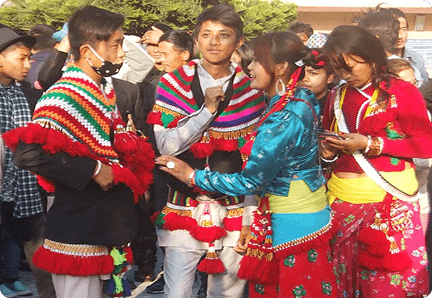
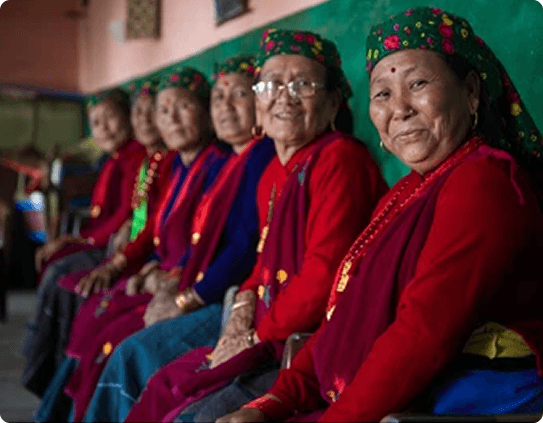
Nepal was declared a secular country by the Parliament on 18th May 2006. Religions practised in Nepal are Hinduism, Buddhism, Islam, Christianity, Jainism, Sikhism, Bon, ancestor worship and animism. The majority of Nepalis are either Hindus or Buddhists and these two religions have co-existed in harmony through centuries.
Buddha is widely worshipped by both Buddhists and Hindus of Nepal. The five Dhyani Buddhas; Vairochana, Akshobhaya, Rathasambhava, Amitabha and Amoghasiddhi represent the five basic elements: earth, fire, water, air and ether. Buddhist philosophy conceives these deities to be the manifestations of Sunya or absolute void. Mahakaala and Bajrayogini are Buddhist deities of the Vajrayana sect worshipped by Hindus as well.
Nepali Hindus worship the ancient Vedic gods. Bramha the Creator, Vishnu the Preserver and Shiva the Destroyer as the Supreme Hindu Trinity. People pray to the Shiva Linga or the phallic symbol of Lord Shiva in most Shiva temples. Shakti, the dynamic element in the female counterpart of Shiva, is highly revered and feared and some of the names given to her are Mahadevi, Mahakali, Bhagabati and Ishwari. Kumari, the Virgin Goddess, also represents Shakti. Other popular deities are Ganesh for luck, Saraswati for knowledge, Lakshmi for wealth and Hanuman for protection. Krishna believed to be the human incarnation of Lord Vishnu is also worshipped widely. Hindu holy scriptures: Bhagawat Gita, Ramayan and Mahabharat are widely read in Nepal. Vedas, Upanishads and other holy scriptures are read by learned Brahmin Pundits during special occasions.
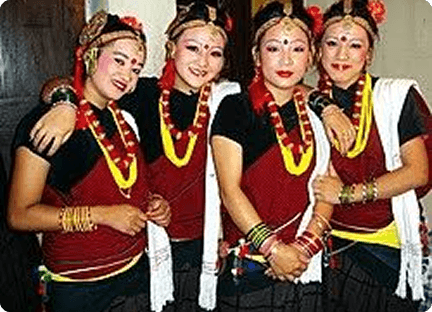
The Dura people have a rich tradition of rituals that bring their community together. One of their most important rituals is the annual "Sowing of Hope" ceremony, where they celebrate the planting of new crops and pray for a bountiful harvest. During this ritual, the community gathers at the local temple, where lamas lead prayers and chanting to invoke the blessings of the land and the gods.
The Dura also have a unique ritual called "The Lighting of the Path," which takes place during the full moon. In this ritual, community members light lanterns made from natural materials and place them along the paths and trails that connect their villages. The lanterns symbolize the light of knowledge and guidance, and the ritual is believed to ward off darkness and evil spirits.
Another significant ritual is the "Feast of the Ancestors," where the Dura honor their ancestors and the spirits of the land. They prepare traditional foods, such as rice and vegetables, and offer them to the ancestors, seeking their blessings and protection. The ritual is an important way for the Dura to connect with their heritage and the natural world."
The diversity in Nepal in terms of ethnicity again makes room for various sets of customs. Most of these customs go back to the Hindu, Buddhist or other religious traditions. Among them, the rules of marriage are particularly interesting. Traditional marriages call for deals arranged by parents after the boy or girl come of age.
The slaughter of cows is illegal in Nepal. The cow is considered a Universal Mother, symbolizing motherhood, charity, and pity. To respect it is to put into practice the concept of Ahimsa, which in Sanskrit literally means "non-violence", an important component of Hinduism, Buddhism and Jainism. Before entering a temple or a house, you will often be asked to take off your shoes, so as not to pollute the pure interiors with your stained soles. Some temples are forbidden to non-Hindus. The right hand, considered pure, is used to eat, pay, give and receive. If rural Nepal is mostly agrarian, some aspects of urban life carry the glitz and glamour of the ultra-modern world.

